Beyond The Label
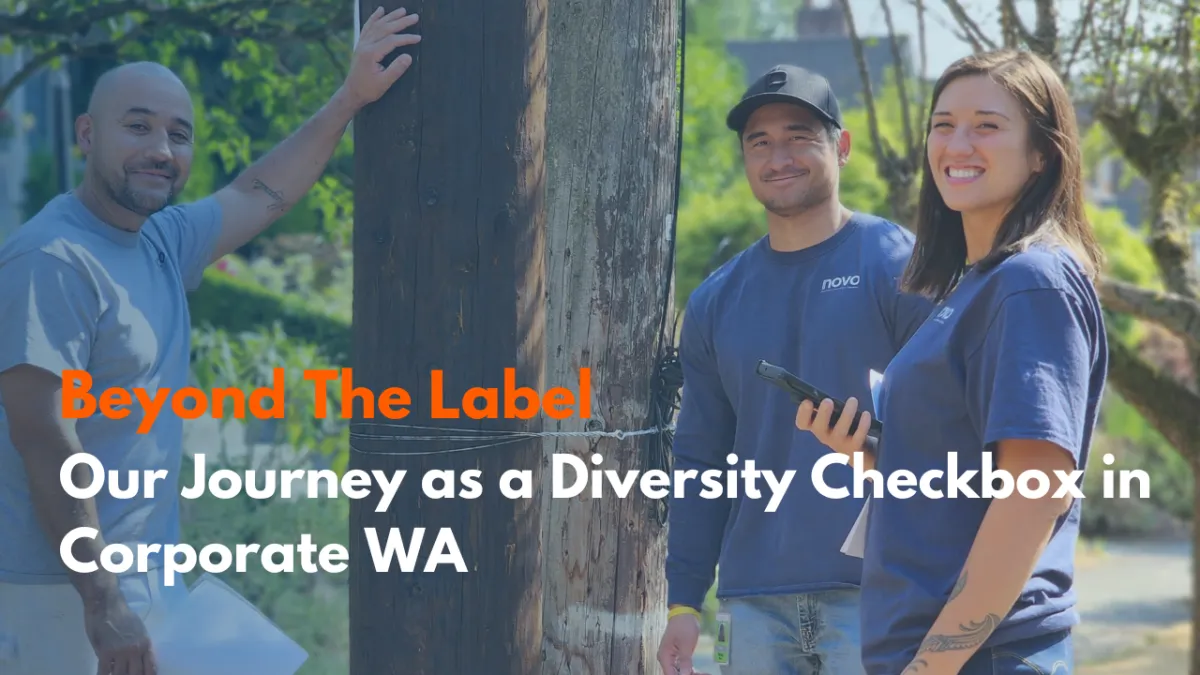
Beyond the Label: Our Journey as a Diversity Checkbox in Corporate WA
February 14, 2024
Setting out on the journey through the procurement processes of varying-sized organizations in Washington as an Office Women's Minority Business Enterprise (OWMBE) has been eye-opening. While our engagements have undeniably cast a positive light on our community business and the people we impact, they've also illuminated the stark contrasts in genuine inclusivity versus being treated as mere tokens of diversity and inclusion by some of the largest corporations in the region.
1. Painting For the Locals: The Small Organization Experience
Our Canvas:
Casual and Personal: Working with smaller organizations is like joining a community potluck. Everyone's genuinely interested in what you bring to the table, formalities aside.
Modest Returns, Rich Impact: Financially, these collaborations might not break the bank, but the value we add to the community and the genuine appreciation we receive far outweighs monetary gains.
Certification Takes a Backseat: Official badges and titles matter less here; it's the real, palpable differences we make that earn us recognition and respect.
True Partnerships: Each project feels like a joint venture, built on mutual respect and shared goals, rather than a transaction.
Open Doors: The ease of starting projects with small organizations is like walking into a neighbor's open house—welcoming and without pretense, fostering an environment ripe for innovation and mutual growth.
2. Scaling Up: The Medium Organization Dynamic
Our Framework:
Structured Engagement: Medium-sized organizations offer a balance between formality and the personal touch, like a well-organized community event where everyone knows the agenda but remains open to authentic interactions.
Evolving ROI: While the return on investment here can swing widely, the depth of impact and the value placed on our contributions beyond mere certifications often lead to more meaningful, if variable, benefits.
Certification Plus Connection: Official stamps of approval open doors, but it's the substance of our work and the relationships we forge that truly amplify our impact.
Genuine Relationships: Beyond the initial handshake, engagements evolve into deep, meaningful collaborations, where both sides are invested in more than just the bottom line.
Collaboration Without Barriers: Despite the more formal setting, the path to partnership remains straightforward, reflecting a shared commitment to making a difference
3. The Corporate Conundrum: Navigating the Giants
Our Labyrinth::
A Maze of Formalities: Large corporations introduce a complex web of procedures that often feels like navigating a bureaucratic labyrinth, with the prize at the end unclear.
Communication Breakdowns: Our journey is often marred by silence—updates are rare, and feedback, even rarer, leaving us to wonder if our voices are lost in the void.
Tokenism over Transformation: Despite our official certifications and compliance, it becomes evident that our role is often that of a checkbox for diversity, not a valued partner in innovation.
Transactional, Not Transformational: Our engagements are marked by a stark focus on services and capacity, with little room for the relational depth or mutual growth found in smaller settings.
The Price Tag Predicament: In this arena, the lowest bidder wins, underscoring a preference for volume and cost-efficiency over the unique value and perspectives we offer.
In conclusion, navigating the procurement process as an OWMBE has been a journey of highs and lows. From the warm, collaborative embrace of smaller organizations to the formal, sometimes impersonal halls of large corporations, the experience has been enlightening. It's clear that while the intent to include is there, the path to meaningful engagement and true diversity in procurement practices remains a work in progress. As we move forward, our hope is that all organizations—big and small—will see the value in moving beyond the checkbox, recognizing the profound impact that genuine partnerships with minority businesses can have on their operations, their communities, and the broader ecosystem.